Klassieke muziek
Hoor bij ons!
Van Baerle Trio
Brahms, Keuris & Schumann
-
Datumvr 9 apr 2027
-
Tijd20.15 uur
-
LocatieStadsgehoorzaal
-
Prijs€ 37,00
-
ZaalAalmarktzaal
-
InclusiefDrankje
Schumann (arr. Kirchner) Etudes in Canonische vorm | Keuris Pianotrio | Brahms Pianotrio nr. 1 op. 8
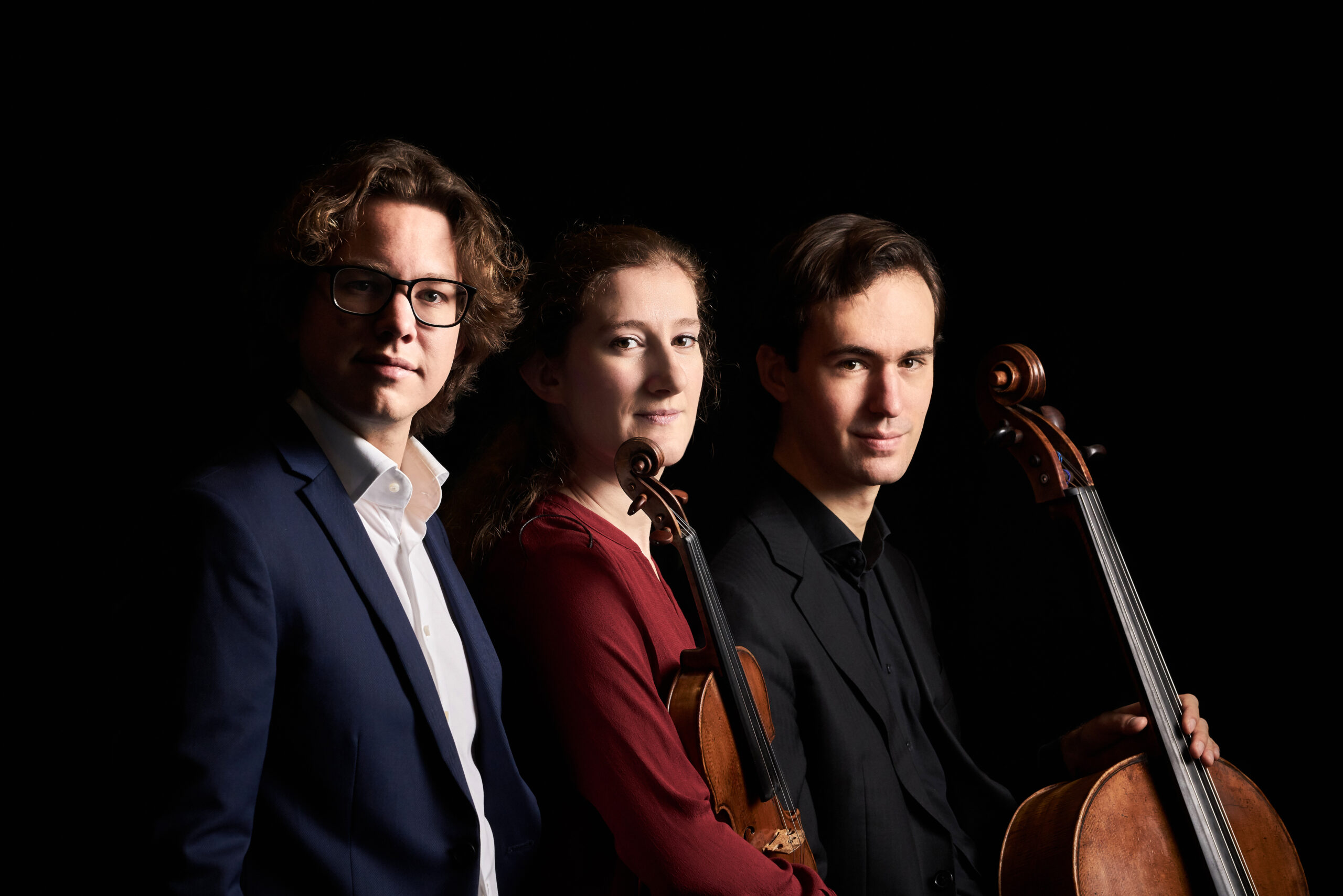
Van Baerle Trio: Hannes Minnaar piano | Maria Milstein viool | Gideon den Herder cello
Van Baerle Trio
De wortels van het Van Baerle trio liggen op de Van Baerlestraat: de drie musici ontmoetten elkaar daar op het Conservatorium van Amsterdam, in het pand dat nu het Conservatoriumhotel is. In het Concertgebouw, een paar deuren verder, zijn ze als trio kind aan huis. Inmiddels ligt ook de rest van de wereld aan hun voeten. ‘Het beste van het beste, dat biedt kort samengevat deze intens muzikale ‘aftrap’ van wat over enige tijd de integrale cyclus van Beethovens pianotrio’s door het Van Baerle Trio zal zijn. Als het op dit hoge niveau zo doorgaat is er sprake van een project dat alleen met het begrip ’topproductie’ naar behoren kan worden gedefinieerd.’, aldus Opus klassiek.
-
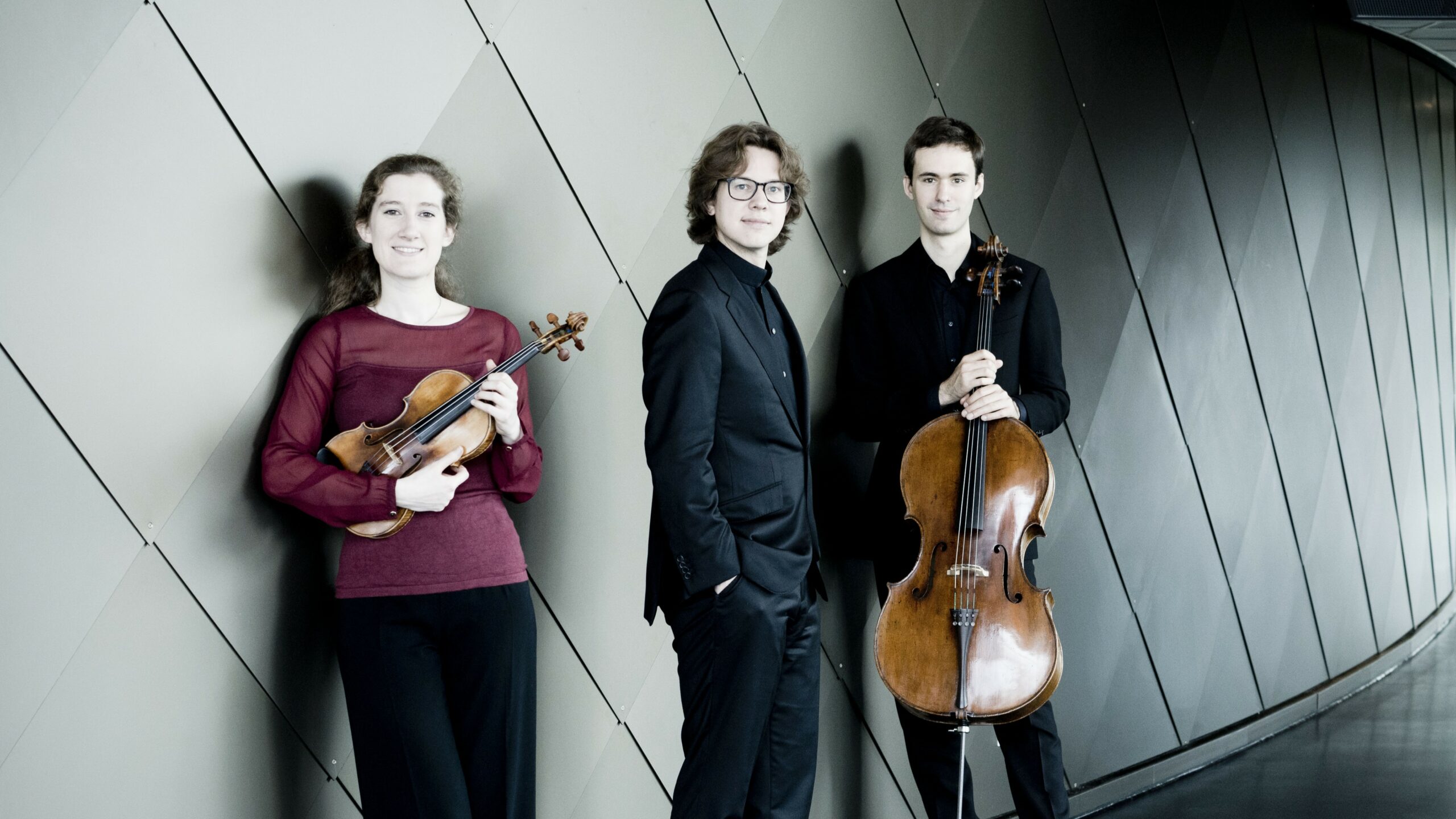 FOTO: © Marco Borggreve
 -
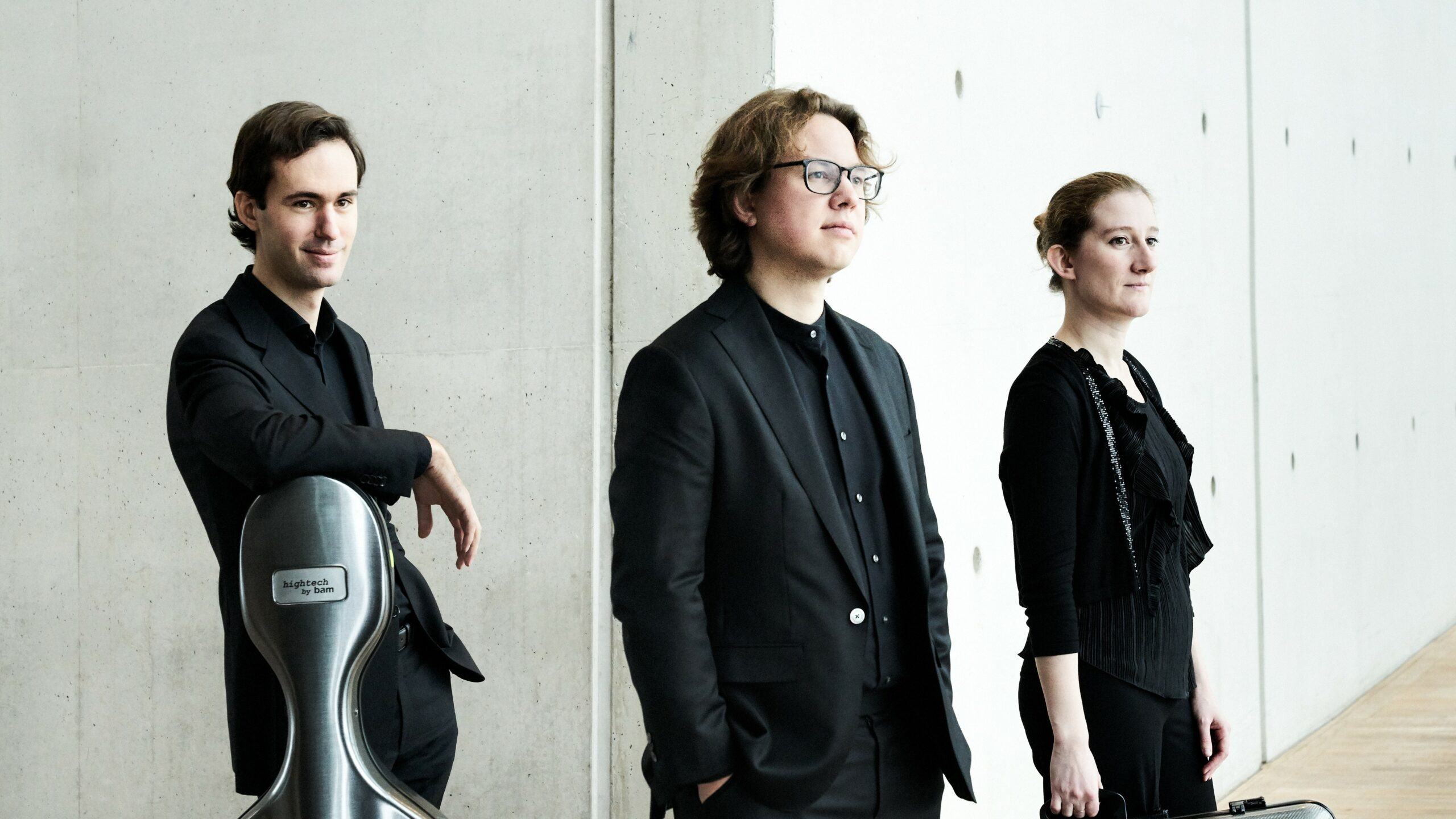 FOTO: © Marco Borggreve
 -
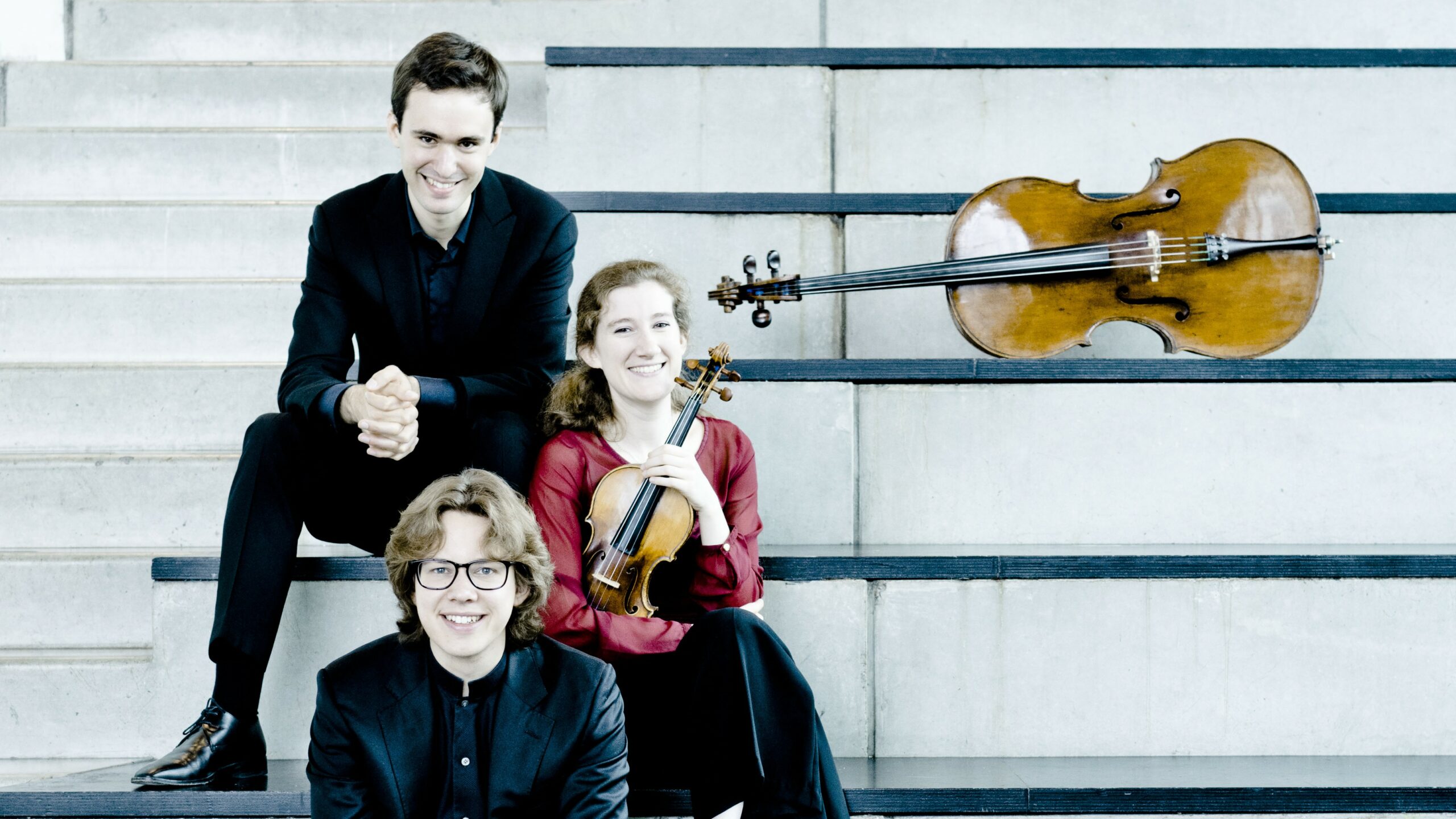 FOTO: © Marco Borggreve
 -
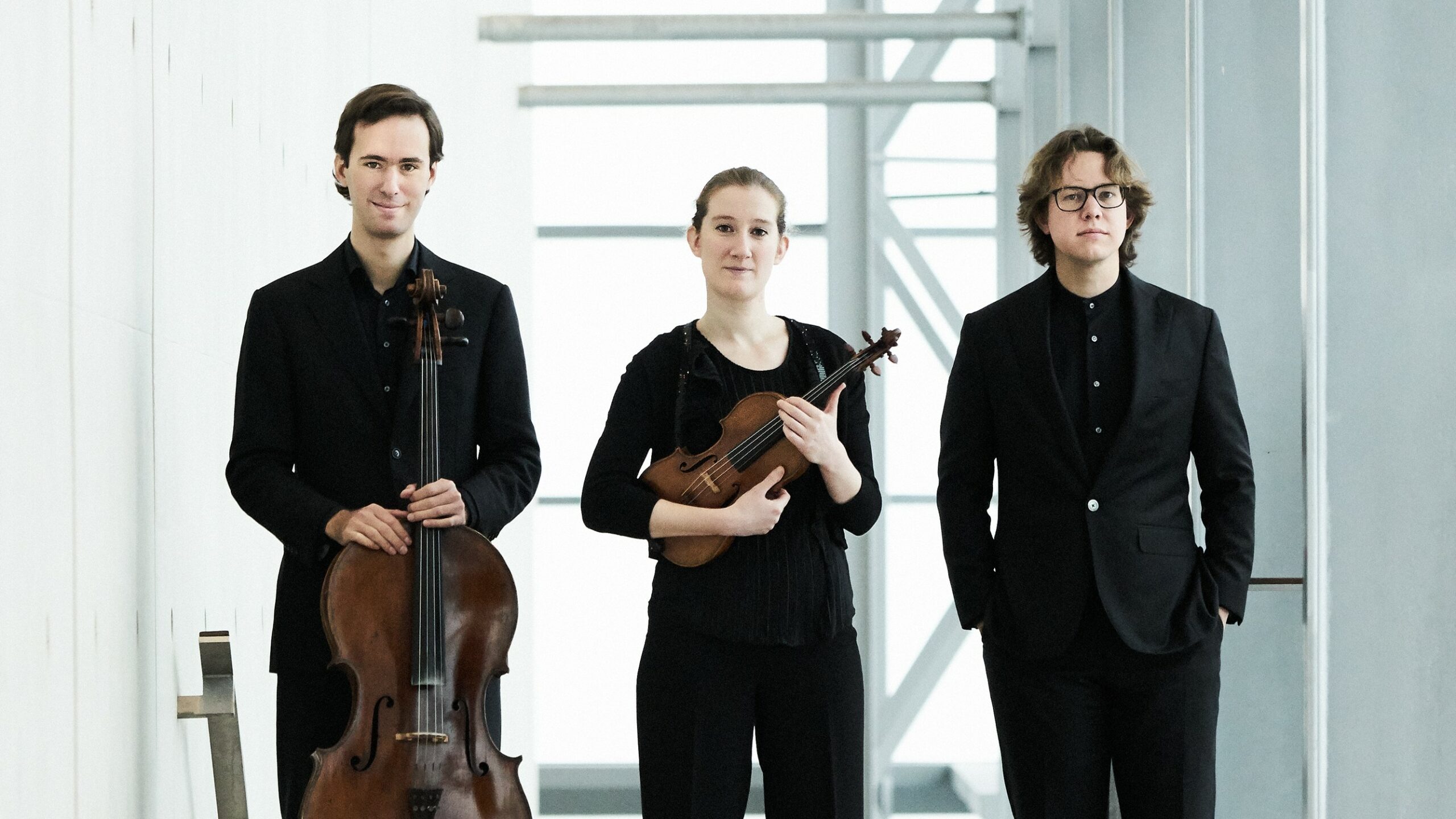 FOTO: © Marco Borggreve


Schumann en Brahms
In de Etudes in canonische vorm combineerde Robert Schumann strenge contrapuntische discipline met een uitgesproken poëtische zeggingskracht. Schumann componeerde het voor de pedaalpiano, een soort kruising tussen orgel en piano, dat bij uitstek geschikt is voor het contrapunt van fuga’s en canons. In Schumanns romantische handen wordt die canonische techniek nergens academisch. De muziek wisselt steeds van karakter, van ingetogen lyriek tot nerveuze spanning. In de bewerking voor pianotrio van Theodor Kirchner blijft Schumanns expressieve intensiteit volledig intact, maar krijgt het ook een nieuw kamermuzikaal perspectief.
Het Eerste Pianotrio van Johannes Brahms is een groots en dramatisch werk waarin jeugdige hartstocht wordt gecombineerd met een grootse ambitie. Het trio kenmerkt zich door rijke thematiek, krachtige contrasten en een bijna symfonische behandeling van de drie instrumenten. Het laat Brahms’ typische spanningsveld horen tussen lyrische intimiteit en monumentale ernst.
-
Bestellenvr 9 apr 202720.15 uur

Schumann (arr. Kirchner) Etudes in Canonical Form | Keuris Piano Trio | Brahms Piano Trio No. 1 Op. 8
Van Baerle Trio: Hannes Minnaar piano | Maria Milstein violin | Gideon den Herder cello
-
Buy ticketsvr 9 apr 202720.15 uur
Van Baerle Trio
The roots of the Van Baerle Trio lie on Van Baerlestraat: the three musicians met there at the Amsterdam Conservatory, in the building that is now the Conservatorium Hotel. At the Concertgebouw, a few doors down, they are now a regular fixture. Meanwhile, the rest of the world is at their feet. “The best of the best, in short, is what this intensely musical ‘kick-off’ offers to what will soon be the Van Baerle Trio’s complete cycle of Beethoven’s piano trios. If it continues at this high level, it will be a project that can only be properly defined as a ’top-notch production,'” according to Opus Klassieker.
-
FOTO: © Marco Borggreve
-
FOTO: © Marco Borggreve
-
FOTO: © Marco Borggreve
-
FOTO: © Marco Borggreve
Schumann and Brahms
In the Etudes in Canonical Form, Robert Schumann combined strict contrapuntal discipline with a distinctly poetic expressiveness. Schumann composed it for the pedal piano, a kind of hybrid between organ and piano, which is ideally suited for the counterpoint of fugues and canons. In Schumann’s Romantic hands, this canonical technique never becomes academic. The music constantly shifts in character, from restrained lyricism to nervous tension. In Theodor Kirchner’s arrangement for piano trio, Schumann’s expressive intensity remains fully intact, but it also acquires a new chamber music perspective.
Johannes Brahms’ First Piano Trio is a grand and dramatic work in which youthful passion is combined with grand ambition. The trio is characterized by rich themes, powerful contrasts, and an almost symphonic treatment of the three instruments. It reveals Brahms’ typical tension between lyrical intimacy and monumental seriousness.